
The historic Thibaw Palace is one of Ratnagiri's most famous heritage attractions. Built by the British Government in 1910, the palace served as the residence of King Thibaw Min, the last king of Burma (now Myanmar), during his exile in India. The king and his family lived here until his death in 1916. Today, the palace functions as a museum preserving royal artifacts and memories of a unique chapter in Indo-Myanmar history.
Nestled atop a small hill in Ratnagiri, Maharashtra, Thibaw Palace stands as a remarkable symbol of history, architecture, and cultural heritage. Built in 1910 by the British Government, the palace was constructed to house King Thibaw Min, the last monarch of Burma (present-day Myanmar), after he was exiled from his kingdom. The palace remained his residence until his death in 1916, making it an important landmark that reflects a unique connection between India and Myanmar.
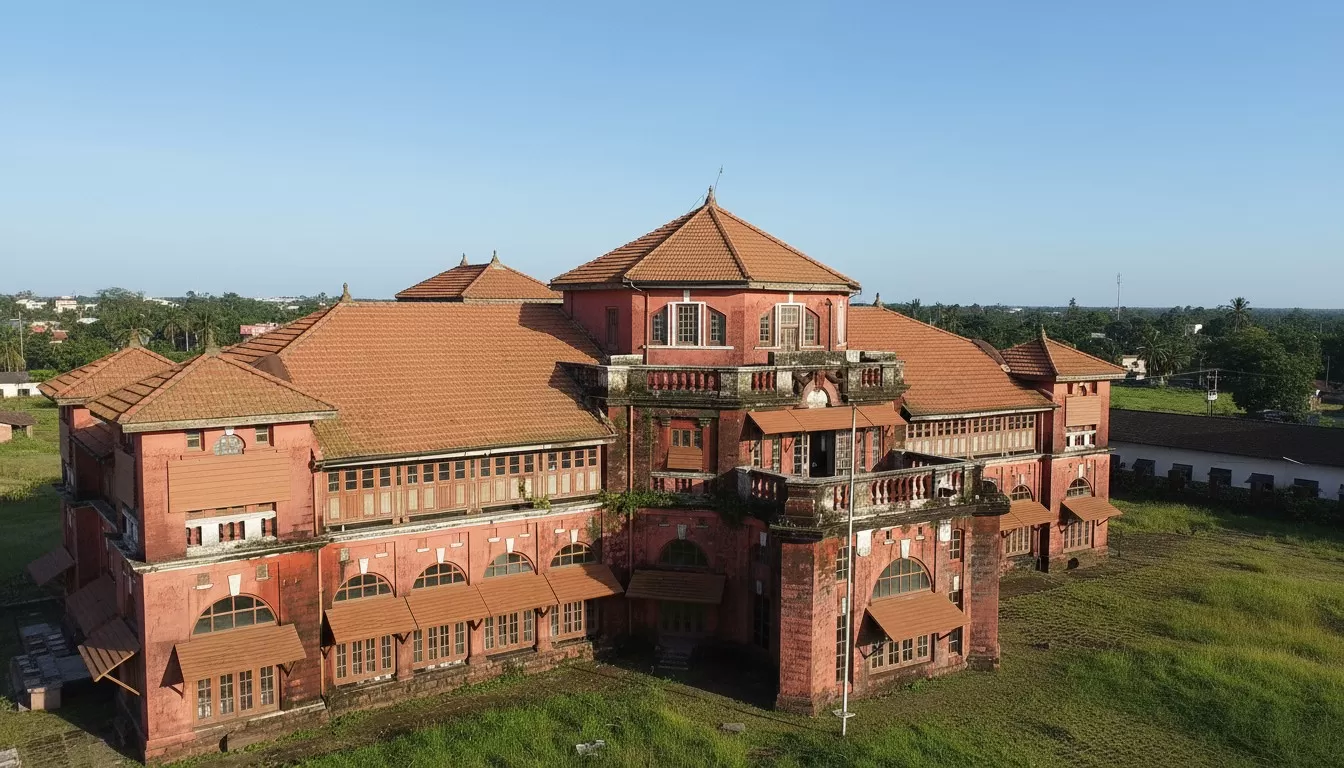
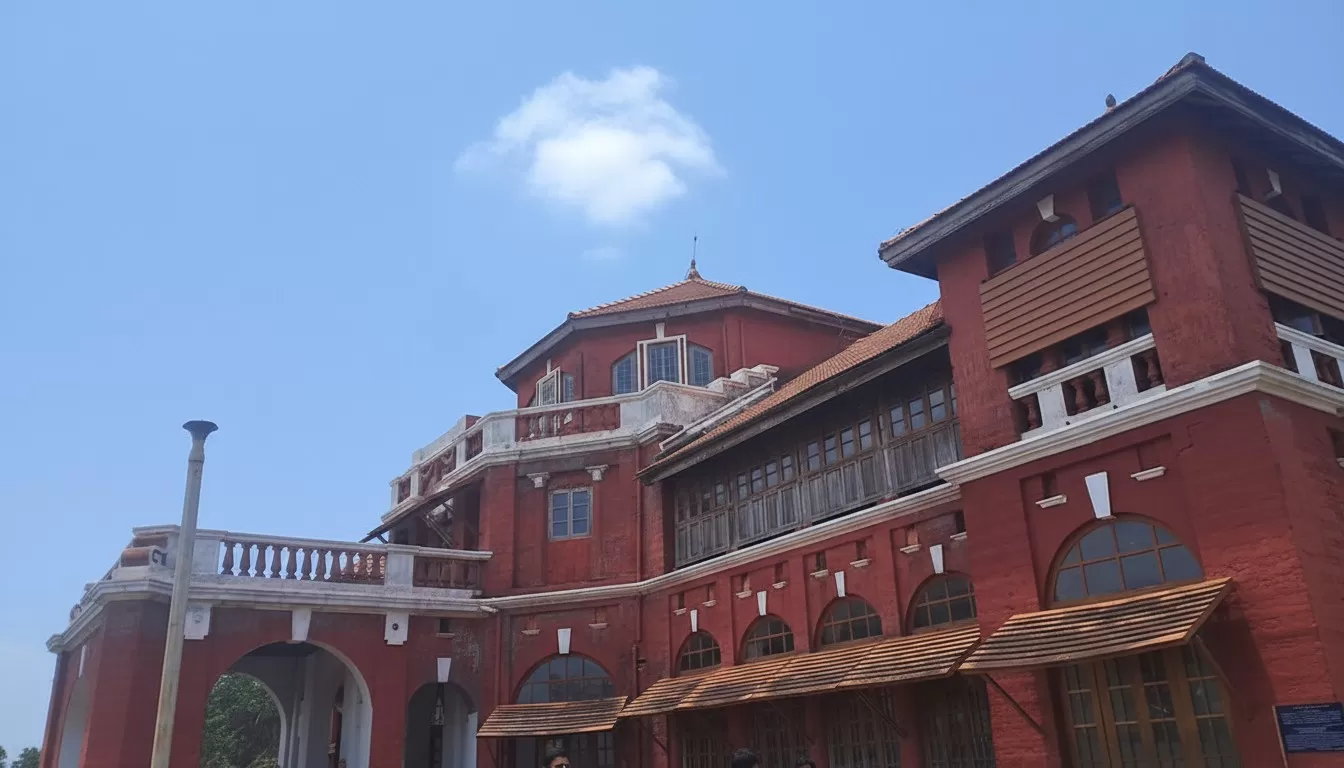
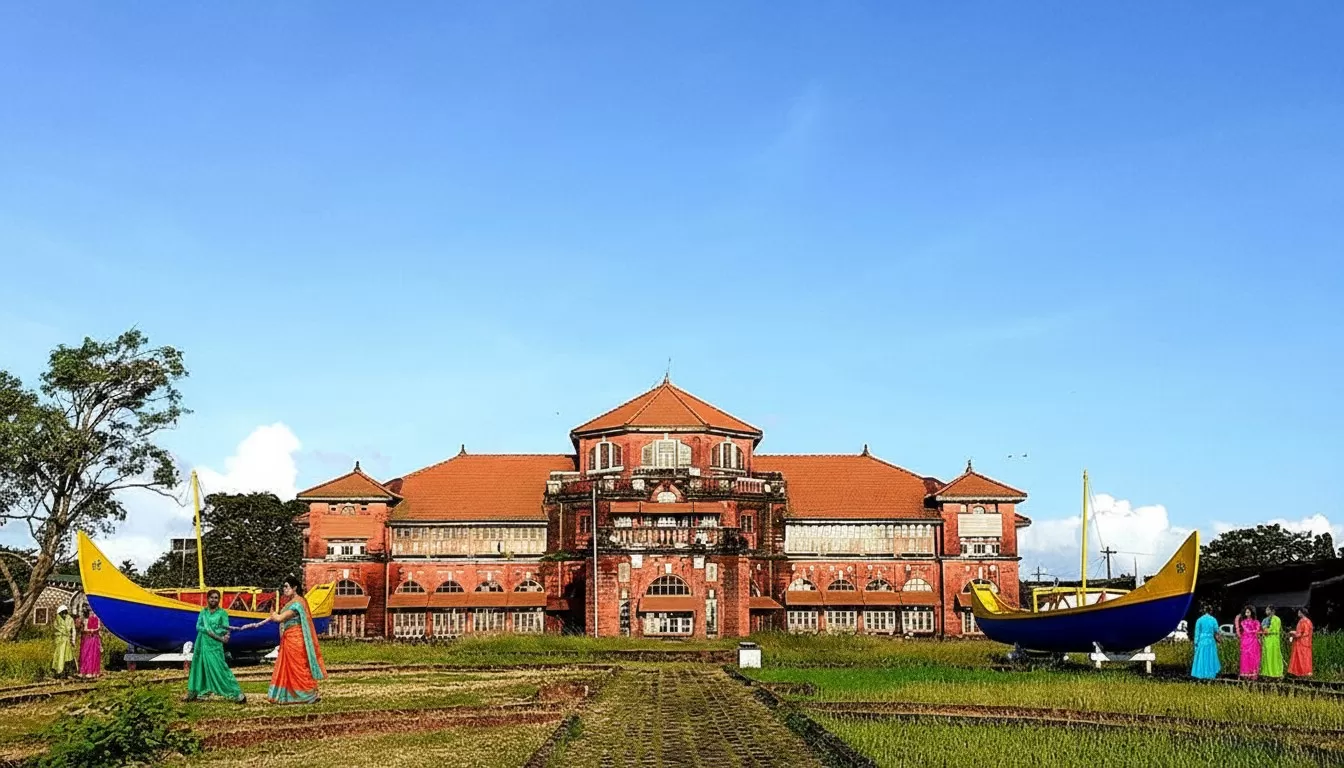
The palace is an impressive three-storeyed structure featuring sloping roofs, elegant wooden windows, and intricate carvings that showcase a blend of British colonial and Burmese architectural influences. One of its most attractive sections is the marble-floored dance hall, which highlights the grandeur once associated with royal life. Today, the palace houses a museum where visitors can view photographs, personal belongings, and artifacts related to King Thibaw and his family. A Buddha idol brought by the king from Burma remains one of the most treasured exhibits.
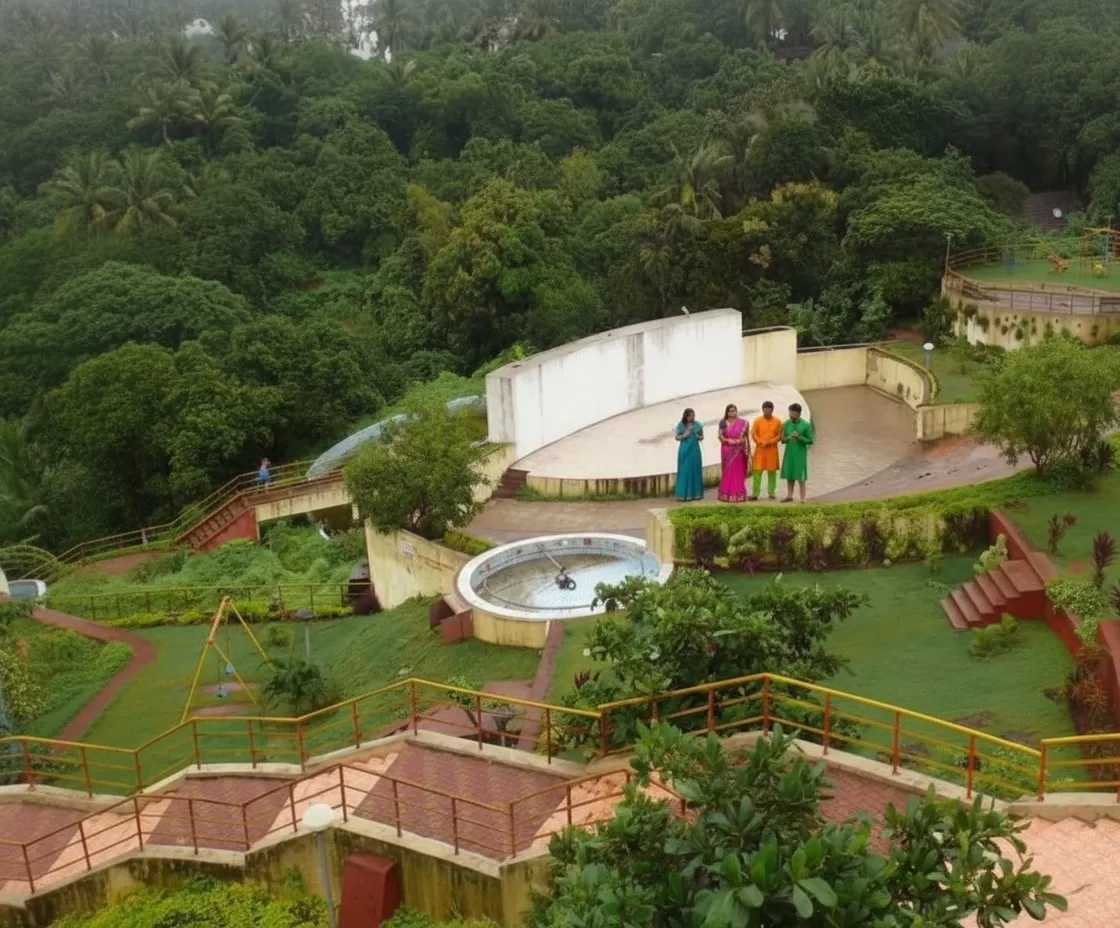
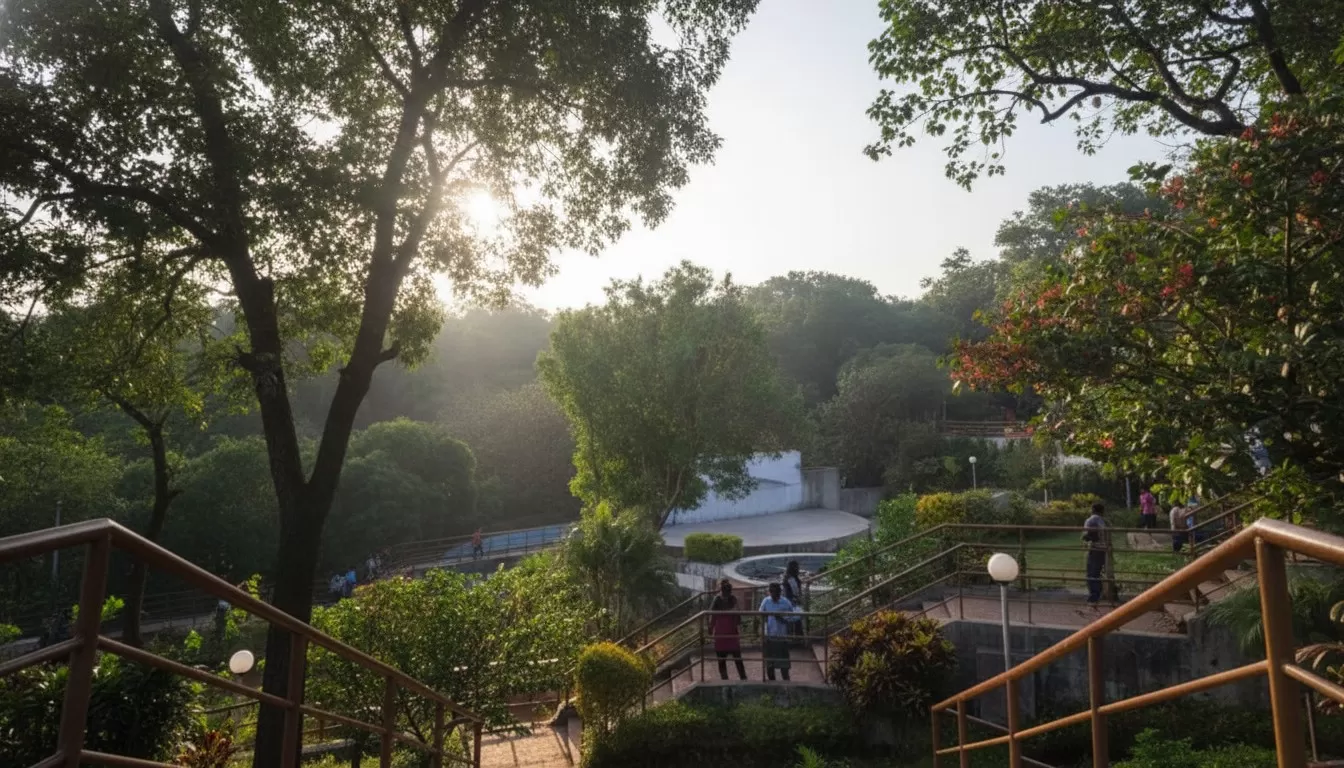
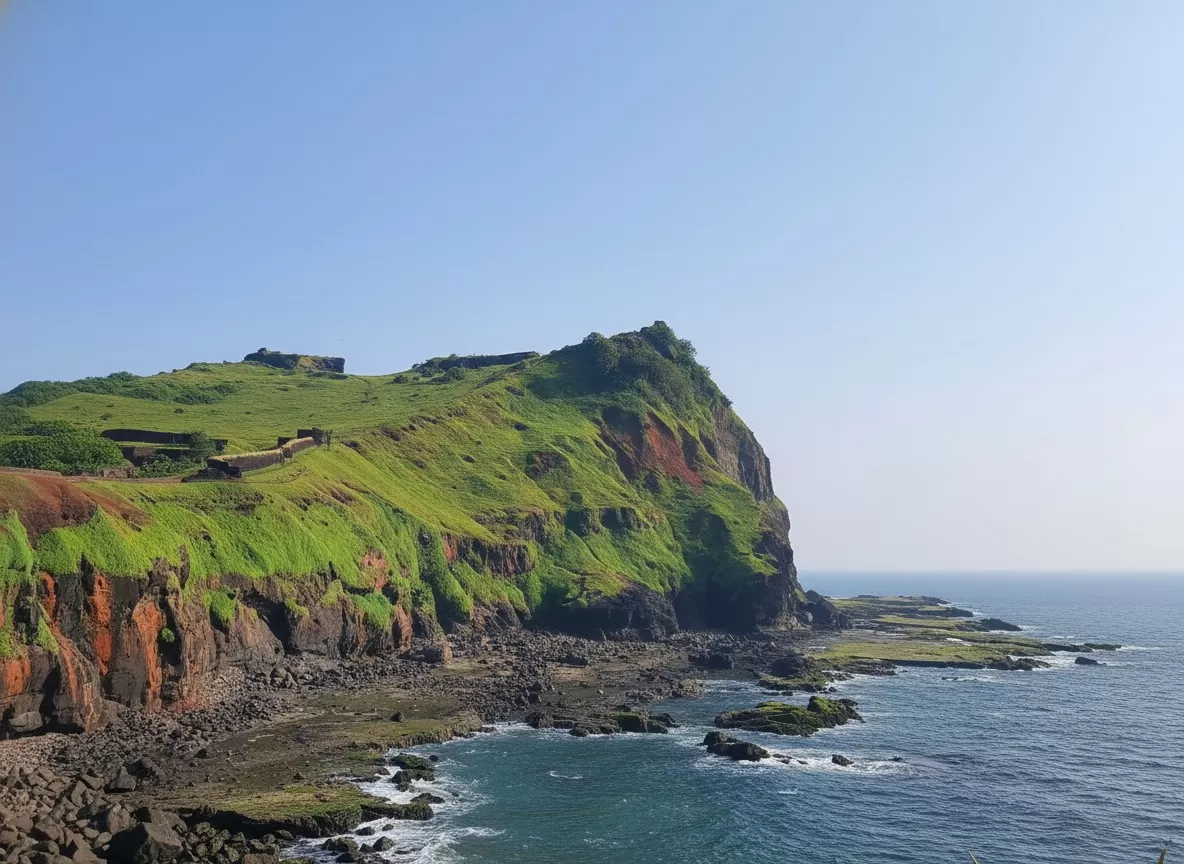
Apart from its historical significance, Thibaw Palace offers breathtaking views of Someshwar Creek, Bhatye Bridge, and the vast Arabian Sea. The surrounding landscape, especially during sunset, creates a memorable experience for visitors. History enthusiasts, architecture lovers, photographers, and cultural travelers find the palace particularly appealing. Its peaceful setting and fascinating story of exile and resilience make it one of Ratnagiri's most important tourist attractions. A visit to Thibaw Palace is not only a journey through history but also an opportunity to appreciate the scenic beauty of the Konkan coast while exploring a unique chapter of South Asian heritage.
The palace is an impressive three-storeyed structure featuring sloping roofs, elegant wooden windows, and intricate carvings that showcase a blend of British colonial and Burmese architectural influences. One of its most attractive sections is the marble-floored dance hall, which highlights the grandeur once associated with royal life. Today, the palace houses a museum where visitors can view photographs, personal belongings, and artifacts related to King Thibaw and his family. A Buddha idol brought by the king from Burma remains one of the most treasured exhibits.
Apart from its historical significance, Thibaw Palace offers breathtaking views of Someshwar Creek, Bhatye Bridge, and the vast Arabian Sea. The surrounding landscape, especially during sunset, creates a memorable experience for visitors. History enthusiasts, architecture lovers, photographers, and cultural travelers find the palace particularly appealing. Its peaceful setting and fascinating story of exile and resilience make it one of Ratnagiri's most important tourist attractions. A visit to Thibaw Palace is not only a journey through history but also an opportunity to appreciate the scenic beauty of the Konkan coast while exploring a unique chapter of South Asian heritage.